- Inscription: Many lab-grown diamonds are laser-inscribed on the girdle with a prefix or note indicating their synthetic nature. This inscription is microscopic and can only be seen under magnification.
- Professional Testing: Due to the identical properties of lab-grown and natural diamonds, professional testing is often necessary. Trained gemologists use specialized instruments, such as spectrometers and loupe magnification, to detect minor differences in crystal growth patterns, inclusions, and fluorescence between natural and synthetic diamonds.
- Price: Lab-grown diamonds are typically less expensive than their natural counterparts due to the lower cost of production. Therefore, a significantly lower price may suggest a synthetic origin.
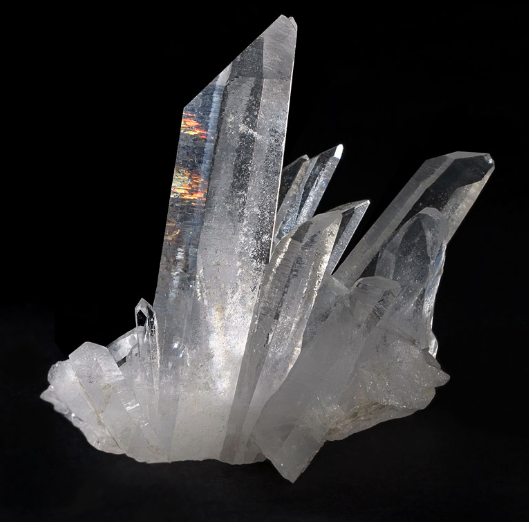
How can you tell if a diamond is man made?
The brilliant shimmer of a diamond is universally appreciated. Regardless of whether it's a natural or a lab-grown gem, the allure of a diamond is undeniable. With the advent of advanced technologies, the distinction between man-made and mined diamonds has become increasingly difficult to discern. So, the question arises, "How can you tell if a diamond is man-made?"
Man-made diamonds, also known as synthetic or lab-grown diamonds, possess the same physical and chemical properties as natural diamonds. This makes it extremely challenging, if not impossible, for the untrained eye to distinguish between the two. There are, however, a few techniques that can be used to identify man-made diamonds.