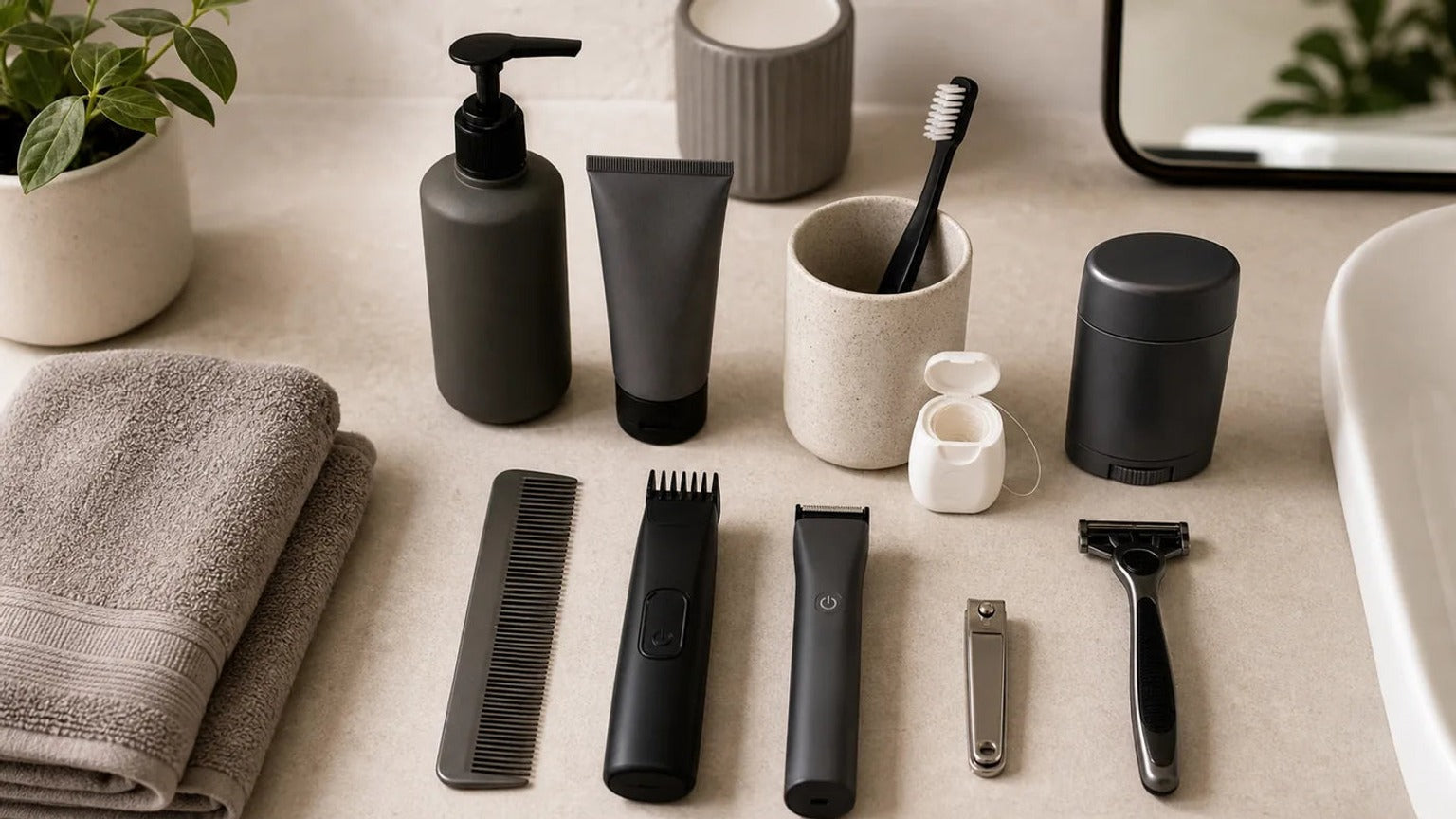
Choosing the right body grooming tool starts with understanding what you need it to do. The best option depends on where you plan to use it, the length or finish you want, and how much control and maintenance you prefer. A trimmer is usually suitable for managing length, a groomer offers broader body care functions, and a shaver focuses on a closer finish. Before buying, consider your grooming areas, desired results, comfort with handling the device, and cleaning routine. This guide explains the key differences so you can choose a tool based on your actual grooming habits rather than marketing claims.
Understanding the Main Types of Body Grooming Tools
Body grooming tools are designed for different levels of control and different grooming goals. While many devices may look similar, their functions can vary significantly.
A trimmer is mainly used to shorten hair while keeping a certain length. It is often useful when you want a neat appearance without removing hair completely. Adjustable guards allow users to control how much hair remains, making trimmers a practical choice for regular maintenance.
A groomer usually refers to a more versatile tool designed for multiple body areas. Depending on the design, it may combine trimming functions with additional attachments or features for different grooming tasks. Groomers are often considered when users want one device that can handle several routines.
A shaver is focused on creating a smoother finish by cutting hair closer to the skin. It may be preferred for users who want a cleaner look in specific areas. However, a closer finish may require more attention to technique, maintenance, and skin comfort.
Combination tools attempt to cover several needs in one device. They can be convenient, especially for users who prefer fewer tools, but they may involve compromises compared with specialized devices designed for a single purpose.
The key question is not which category is universally better. It is which tool type matches your intended use.
The Key Factors to Consider Before Buying
Once you understand the basic categories, the next step is comparing features based on your personal grooming routine.
Grooming Area Matters
Different body areas can require different approaches. Areas with larger surfaces may benefit from efficient trimming and easy handling, while areas requiring more precision may need better control.
Consider where the tool will be used most often:
-
Larger body areas may require comfortable handling and efficient coverage.
-
Areas where you want to maintain a specific length may benefit from adjustable settings.
-
Precision areas may require a design that allows careful movement and better visibility.
A common mistake is choosing a tool based only on appearance or the number of attachments. A device with many features may not be useful if it does not match the areas and routines you actually need.
Decide the Result You Want
Your desired finish should guide your choice.
If your goal is simple maintenance, a trimmer with adjustable length options may provide enough flexibility. If you prefer a smoother appearance, a shaver-oriented tool may be more suitable. For users who switch between different grooming styles, a multifunction groomer can offer more options.
Think about the result in practical terms:
| Grooming Goal | Tool Type to Consider | Main Advantage |
|---|---|---|
| Maintain a controlled length | Trimmer | Helps manage hair length |
| Handle multiple grooming tasks | Groomer | Provides broader flexibility |
| Create a closer finish | Shaver | Designed for smoother results |
| Reduce the number of devices | Combination tool | Offers multiple functions in one tool |
The right choice depends on balancing convenience, control, and the type of finish you want.
Comparing Features and Their Tradeoffs
Features can make a grooming tool easier to use, but every feature should be evaluated according to whether it solves a real problem.
Control and Handling
Control is one of the most important factors in body grooming. A tool that is comfortable to hold and easy to move can make routine grooming more manageable.
Consider:
-
Is the device easy to position?
-
Can you adjust settings without difficulty?
-
Does the design support careful movement?
More power or more settings do not automatically mean a better experience. The important factor is whether the tool gives you the control needed for your grooming style.
Cleaning and Maintenance
A grooming tool requires regular care to continue performing well. Cleaning requirements can influence whether a device fits your lifestyle.
Before choosing a tool, check how easy it is to:
-
Remove hair buildup
-
Clean the cutting components
-
Store attachments
-
Maintain the device over time
A tool that is simple to maintain may be more practical for frequent use than one with complicated cleaning steps.
Wet and Dry Use Considerations
Some grooming tools are designed for dry use, while others may support wet environments. The right choice depends on your preferred routine and how you plan to use the device.
If you prefer grooming during or after a shower, a tool designed for that type of environment may be more convenient. Always check the manufacturer's instructions before using any device around water.
How to Choose Based on Your Grooming Routine
Instead of comparing every available feature, start with your routine.
Ask yourself:
-
What areas will I groom most often?
This determines whether you need broad coverage, precision, or flexibility. -
What result do I usually want?
Maintaining length and creating a close finish require different approaches. -
How often will I use the tool?
Frequent users may value easy cleaning and comfortable handling more than occasional users. -
Do I want one tool or several specialized tools?
A single multifunction device can reduce clutter, while dedicated tools may provide more focused performance.
This decision process helps avoid choosing based on unnecessary features.
For readers who want to explore a wider range of options and understand how different grooming categories fit into a complete routine, body grooming tools can provide a broader overview of available solutions and product categories.
A Practical Buying Checklist
Before making a final decision, review these points:
-
Identify the main areas you want to groom.
-
Choose between trimming, grooming, shaving, or a combination approach.
-
Consider the length or finish you want to achieve.
-
Look for controls that match your experience level.
-
Check cleaning and maintenance requirements.
-
Confirm whether the tool fits your preferred grooming environment.
-
Focus on useful features rather than collecting unnecessary functions.
A good grooming tool should fit naturally into your routine. The best choice is usually the one that makes your regular grooming process easier and more consistent.
Final Thoughts: Choose Based on Your Needs
Body grooming tools are not one-size-fits-all products. A trimmer, groomer, shaver, or combination device can each be the right choice depending on your goals.
Start with the basics: where you will use the tool, what result you want, how much control you need, and how much maintenance you are willing to handle. Once those factors are clear, comparing different options becomes much simpler.
The goal is not to find the tool with the most features. It is to find the tool that matches your grooming habits and helps you complete your routine efficiently.